
Resource Hub
Educators & Specialists
The science of reading, translated into the instructional moves that help every student become a skilled reader.

Who This Is For
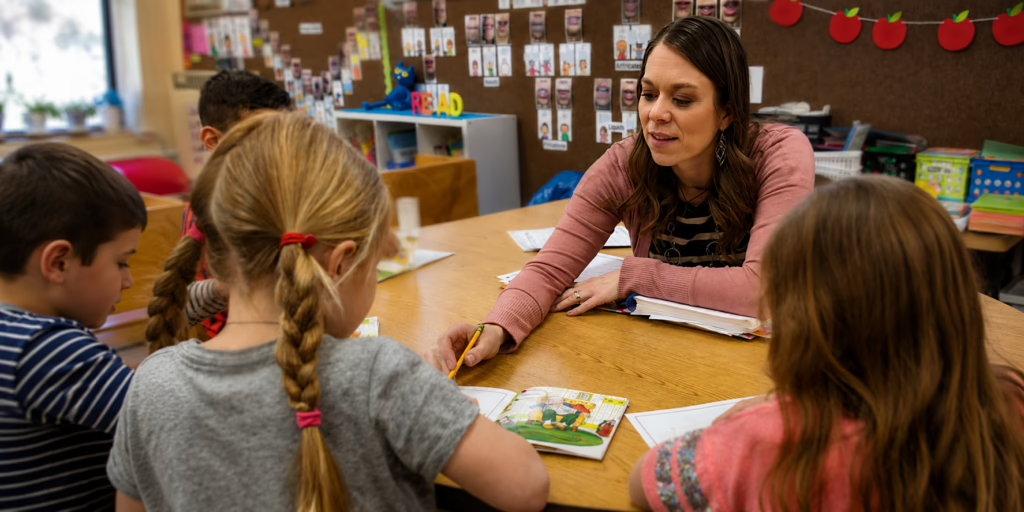
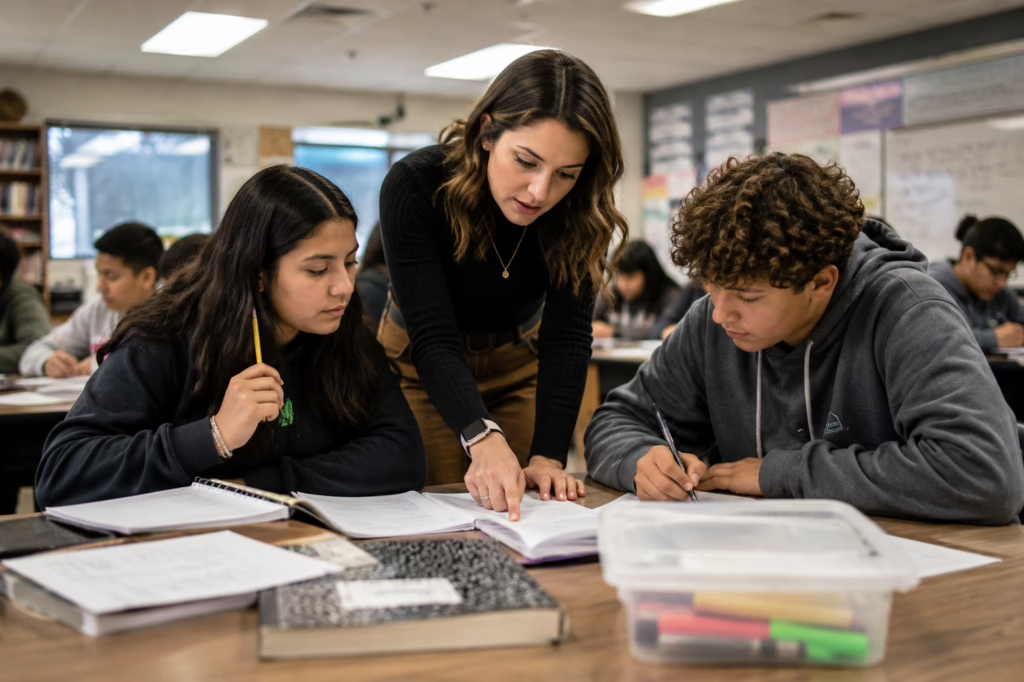
Educators and specialists working directly with students. Classroom teachers, reading interventionists, special educators, instructional coaches, and pre-service teachers building the knowledge to teach reading effectively.
Strengthening Reading Instruction Through the Science of Reading
Educators and specialists play a critical role in helping students develop strong reading and writing skills. By building knowledge of the scientific evidence base about how reading develops and how it should be taught, educators are better equipped to deliver instruction that supports all learners and improves student outcomes.
A strong understanding of the science of reading helps educators recognize, prevent, and address reading difficulties through effective, evidence-aligned instruction. This includes understanding how the brain learns to read, the instructional practices that support skilled reading development, the structure of language, and the role of explicit and systematic teaching.
As educators deepen their professional knowledge, they gain the tools needed to make informed instructional decisions, respond to students’ needs, and create learning experiences that help every student become a confident, capable reader.
Transforming to alignment with the science of reading: Important considerations

Recommended Starting Points
Explore these foundational resources to build your understanding of the science of reading and evidence-aligned instructional practices.
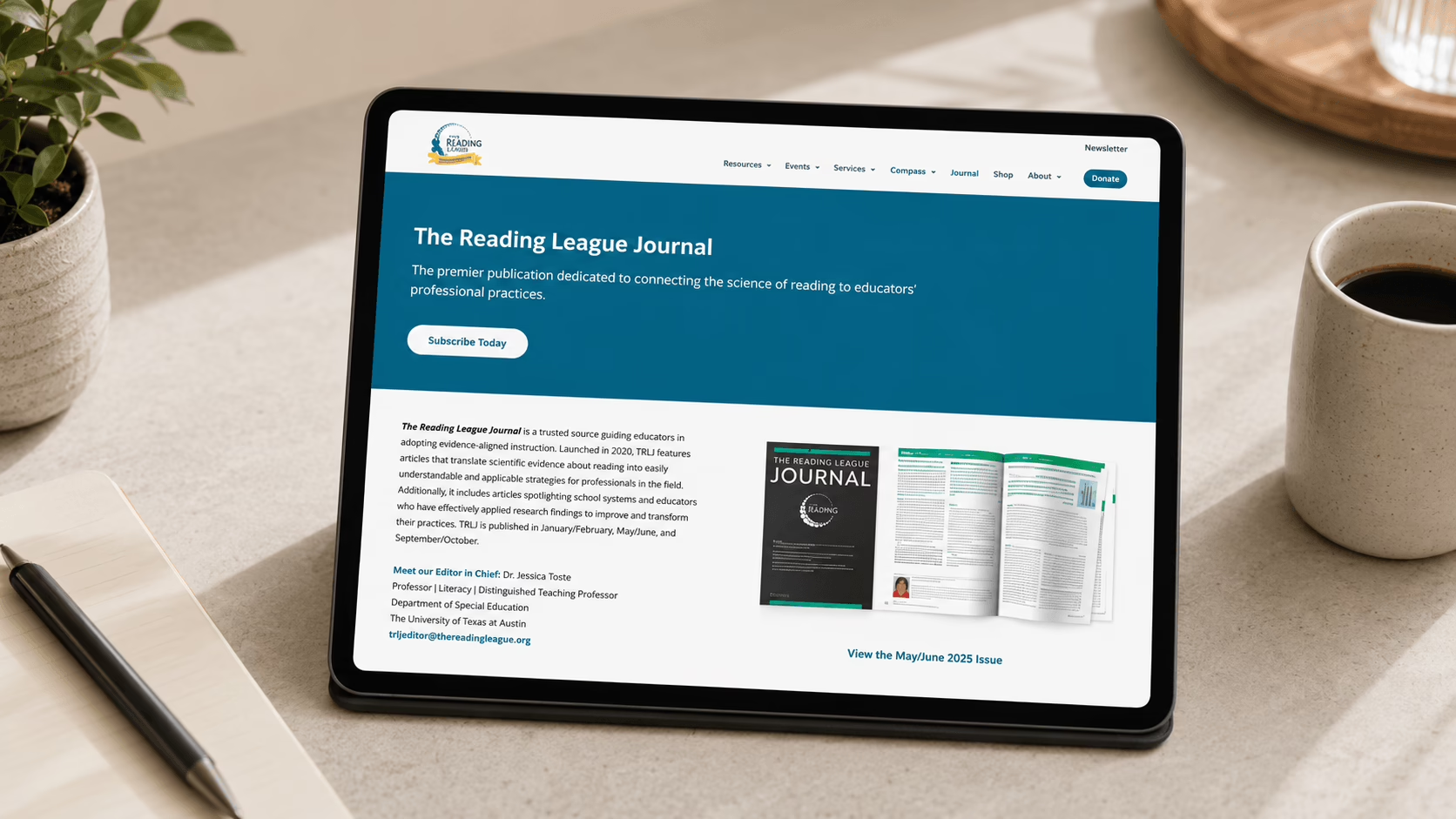
The Reading League Journal

Science of Reading: Defining Guide
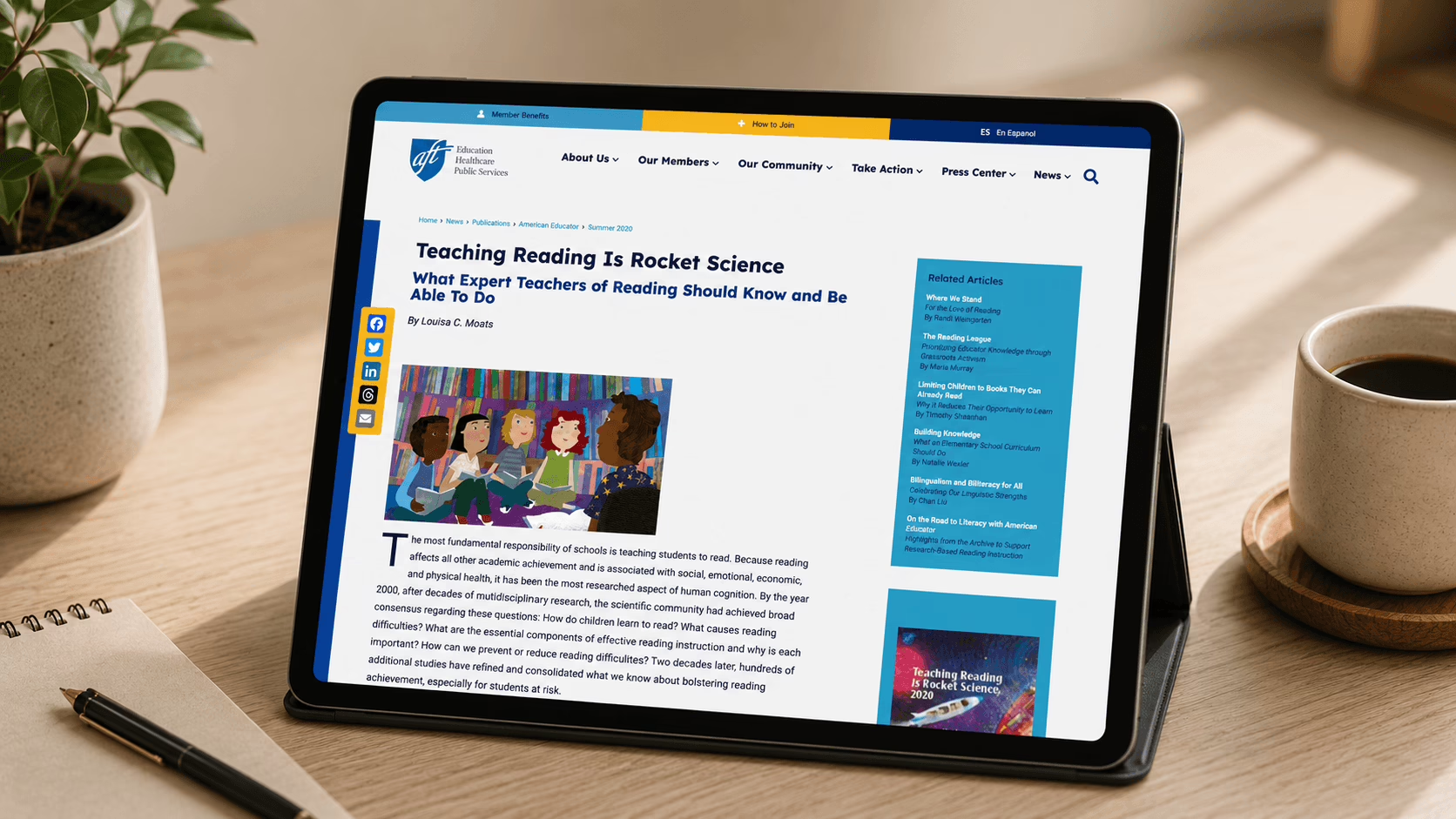
Teaching Reading IS Rocket Science
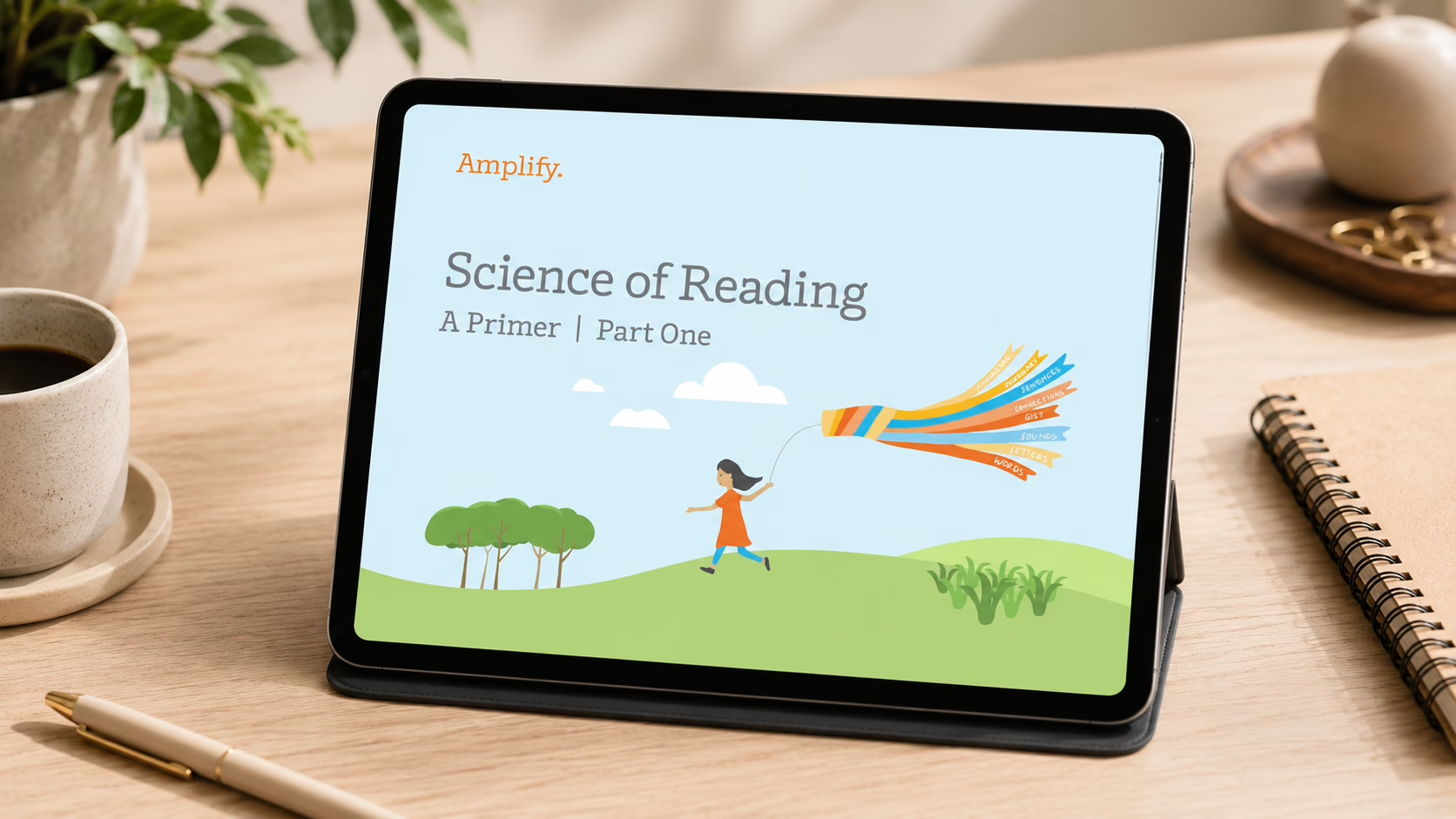
Amplify Science of Reading: A Primer Part One
Explore Resources
Choosing a Strong Prep Program
Five questions to ask before enrolling in an educator preparation program, so your teaching journey starts with the evidence.
Choosing Professional Development
What to look for in a PD provider: deep science of reading knowledge, curriculum neutrality, and a focus on Tier 1 instruction.
Why Teacher Knowledge Matters
Three MTSU studies linking teachers' knowledge of language structure to student reading gains, summarized here because the originals are paywalled.
Understanding the Science of Learning
Why explicit instruction and structured practice work, with picks from Anita Archer, Stanislas Dehaene, and Deans for Impact.
The Evidence Base for Reading
What five decades of research say about how reading develops, with landmark reports from the National Reading Panel and beyond.
The Reading Rope: Key Ideas Behind the Metaphor
Hollis Scarborough herself walks through the ideas behind her reading rope metaphor and answers the most common questions, on video with a companion PDF.
Multi-Tiered Systems of Support (MTSS) and Intervention
What changes across Tiers 1, 2, and 3, why misalignment wastes instructional time, and where to learn more about MTSS frameworks.
The 4 Rs of Responsive Teaching
Dr. Altheria Caldera on pairing the science of reading with responsive pedagogy: relevance, rigor, real-world application, and relationships.
The Science of Reading and Structured Literacy: Instruction and Assessment
Foundational explainers, brain-research videos, and assessment tools for building a working knowledge of structured literacy.
Developing Word Recognition
Model lessons, tools, and research for teaching phonemic awareness, phonics, and decodable text.
Morphology
Books and hands-on tools for teaching morphological awareness across grade levels.
Vocabulary and Knowledge
Research and routines for building content knowledge and teaching vocabulary explicitly.
Comprehension and Writing
Research and frameworks connecting reading comprehension instruction to evidence-based writing practice.
Supporting English Learners / Emergent Bilingual Students
Books, position statements, and research for supporting emergent bilingual students within a structured literacy framework.
No resources match those filters.
About This Role
When educators learn the science of reading, they gain the knowledge to both prevent and remediate reading difficulties. This page gathers the resources to build that knowledge, from the research base to structured literacy, intervention, and instruction by topic.



Hear It From Hollis: The Reading Rope Explained
Stories from the Field
What Has Worked and What We Have Learned
The following are experiences shared by educators who have successfully implemented alignment to the science of reading in their classrooms: