

Resource Hub
Administrators & Administrator Preparation Programs
How school and district leaders build the systems, knowledge, and support that make evidence-aligned reading instruction stick.

Who This Is For
District and building administrators and the programs that prepare them. Superintendents, principals, instructional leaders, and aspiring administrators responsible for literacy outcomes across their schools.
Supporting Literacy Success Through Leadership
School and district leaders play a critical role in student literacy outcomes. Among their many responsibilities, one of the most important is ensuring that students have access to evidence-aligned reading instruction and that educators receive the support needed to implement it successfully.
Building and sustaining effective literacy systems requires more than selecting the right instructional materials. Administrators influence staffing decisions, professional learning opportunities, resource allocation, and the conditions that enable high-quality instruction to thrive. These decisions are most effective when grounded in a strong understanding of the science of reading.
As educators deepen their knowledge of evidence-aligned instruction, they often say, “When we know better, we do better.” To do better, educators need leaders who are committed to creating the systems, support structures, and culture necessary for lasting change. By investing in their own professional knowledge, administrators become stronger decision-makers and better equipped to drive improved reading outcomes for all students.
Transforming to Alignment With the Science of Reading
Sustainable transformation to evidence-aligned instruction is unlikely to occur simply by purchasing a science-aligned curriculum. For improved, sustainable outcomes, action plans that include a long-term commitment to staff support and material alignment are required.
When beginning an effort to transform instructional practices, action plans must address change on a systems level, one step at a time. Even the best plans will face challenges such as pushback, turnover, and course corrections, but implementing them with a comprehensive approach that covers each of the categories that follow will go a long way toward making the transformation sustainable.

Recommended Starting Points
Explore these foundational resources to build your understanding of the science of reading and evidence-aligned literacy leadership.

Literacy Leaders: A Key Lever for Literacy Equity
In this presentation Dr. Maria Murray and Dr. Stephanie Finn describe why and how school leaders can transform systems.

The Reading League’s Defining Guide Call to Action Series
In this video Sharon Dunn provides an overview of the essential components of instruction that school leaders need to consider when aligning their schools and systems to the science of reading.
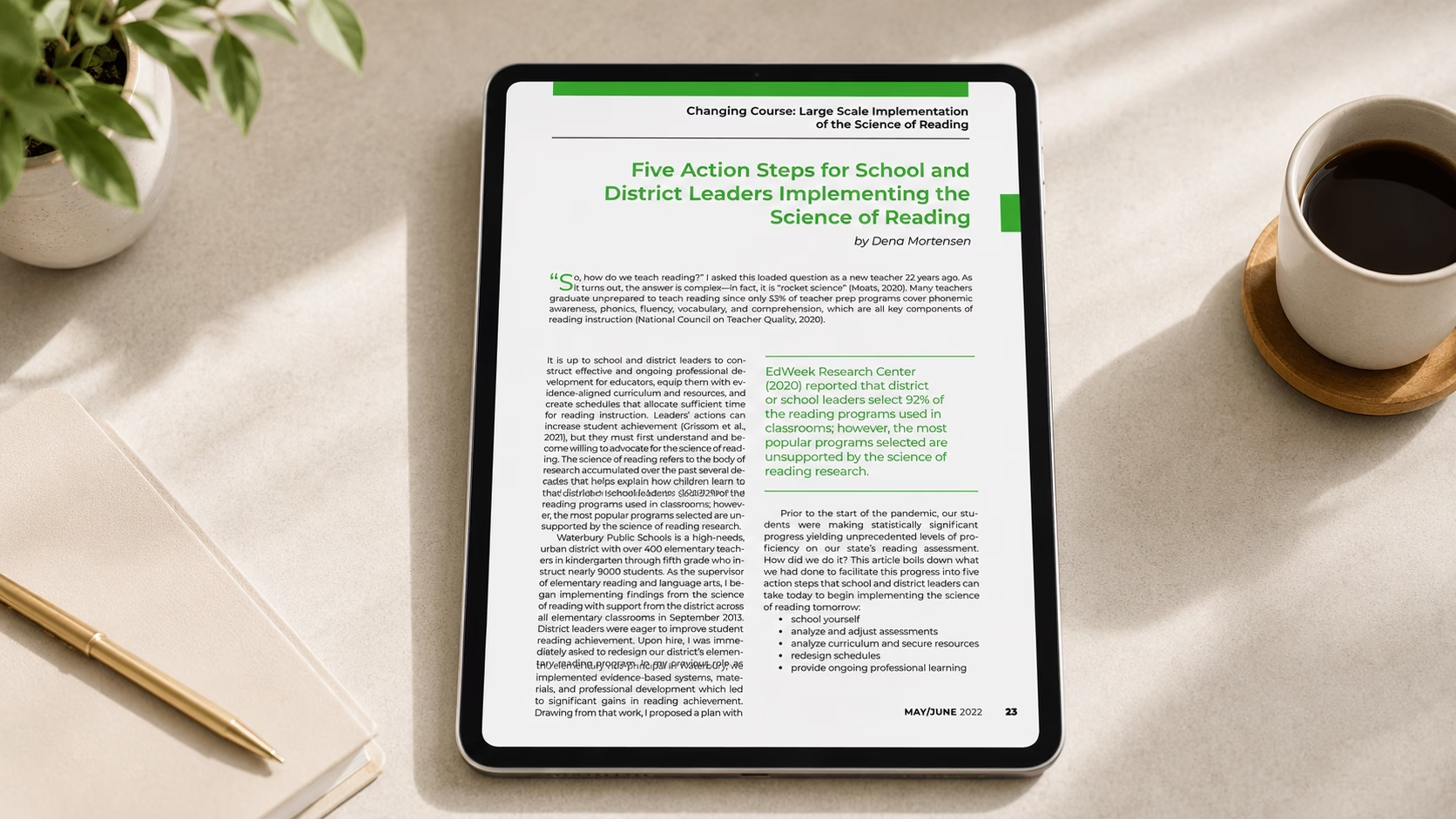
Five Action Steps for School and District Leaders Implementing the Science of Reading
In this article from The Reading League Journal Dena Mortensen provides direct and easy-to-follow advice for school leaders.
Explore Resources
Pre-Service Staff: Hiring
Questions administrators can ask local prep programs and candidates, from IDA accreditation to NCTQ ratings and licensure exams.
Investing in Staff Knowledge
How to choose professional development that sticks: plan long term, use knowledge questionnaires without quiz anxiety, and learn alongside your staff.
The Complexity of Reading
Reid Lyon's ten maxims from 50 years of reading research, and why adding a phonics program alone won't transform outcomes.
Resource Hubs & Frameworks
Four vetted places to keep learning: The Reading Universe, Reading Rockets, FCRR's reading essentials, and Massachusetts' Four Shifts.
Selecting a Core Curriculum
How to run a curriculum evaluation with the CEGs: assemble a knowledgeable team, weigh every component, and spot red flags before you buy.
Why Literacy Coaches Matter
A trained coach bridges the gap between new knowledge and classroom practice. What to do when there's no funding for one, plus coaching resources.
Building Decision-Making Teams
Why a school-based team and a strong MTSS driven by data keep evidence-based practices consistent across grades and tiers.
Building an Assessment Plan
The four assessment types every school needs, what each one measures, and a dozen resources for making reading data meaningful.
Implementation Resources
Guides for turning knowledge into daily practice, from EAB's implementation guide to a theory of change for leaving balanced literacy behind.
More for School Leaders
A leadership shortlist: Lead for Literacy, a podcast on enacting lasting literacy change, and the Science or Snake Oil? talk.
No resources match those filters.


Literacy Leaders: A Key Lever for Literacy Equity
About This Role
Buying an aligned curriculum is not the same as changing outcomes. Sustainable transformation takes systems-level leadership: building staff knowledge, supporting it with coaching and the right assessments, and staying the course through pushback and turnover. This page gives leaders a comprehensive approach to aligning their schools to the science of reading and making it last.
Stories from the Field
What Has Worked and What We Have Learned
The following experiences are shared by administrators who have successfully implemented alignment to the science of reading in their schools and districts:

Ready, Set, Grow: The FAST and FURIOUS Implementation of Structured Literacy & the Science of Reading