

Resource Hub
Families & Caregivers
Practical, research-based resources to help families support reading development, navigate literacy challenges, and make informed decisions for their child’s success.

Who This Is For
For parents, caregivers, and family members who want to better understand how children learn to read, recognize signs of reading difficulties, and support literacy development at home.
Supporting Your Child’s Literacy Journey
Families and caregivers play an important role in helping children develop strong language and literacy skills. From early conversations and shared reading experiences to advocating for effective instruction in school, families can have a meaningful impact on their children’s reading success.
While access to books and reading aloud at home are valuable, they are only part of the picture. When children experience difficulty learning to read, they often need explicit, evidence-aligned instruction that directly addresses their needs. Early identification and support can help prevent reading difficulties from becoming more significant barriers to learning.
By building their own understanding of how children learn to read, families and caregivers are better equipped to support literacy development at home, ask informed questions about instruction and assessment, and partner effectively with educators. Strong collaboration between families, schools, and communities helps create the conditions children need to become confident, capable readers and successful learners.

Recommended Starting Points
Explore these foundational resources to learn how reading develops, how to recognize effective instruction, and how to support your child's literacy journey.
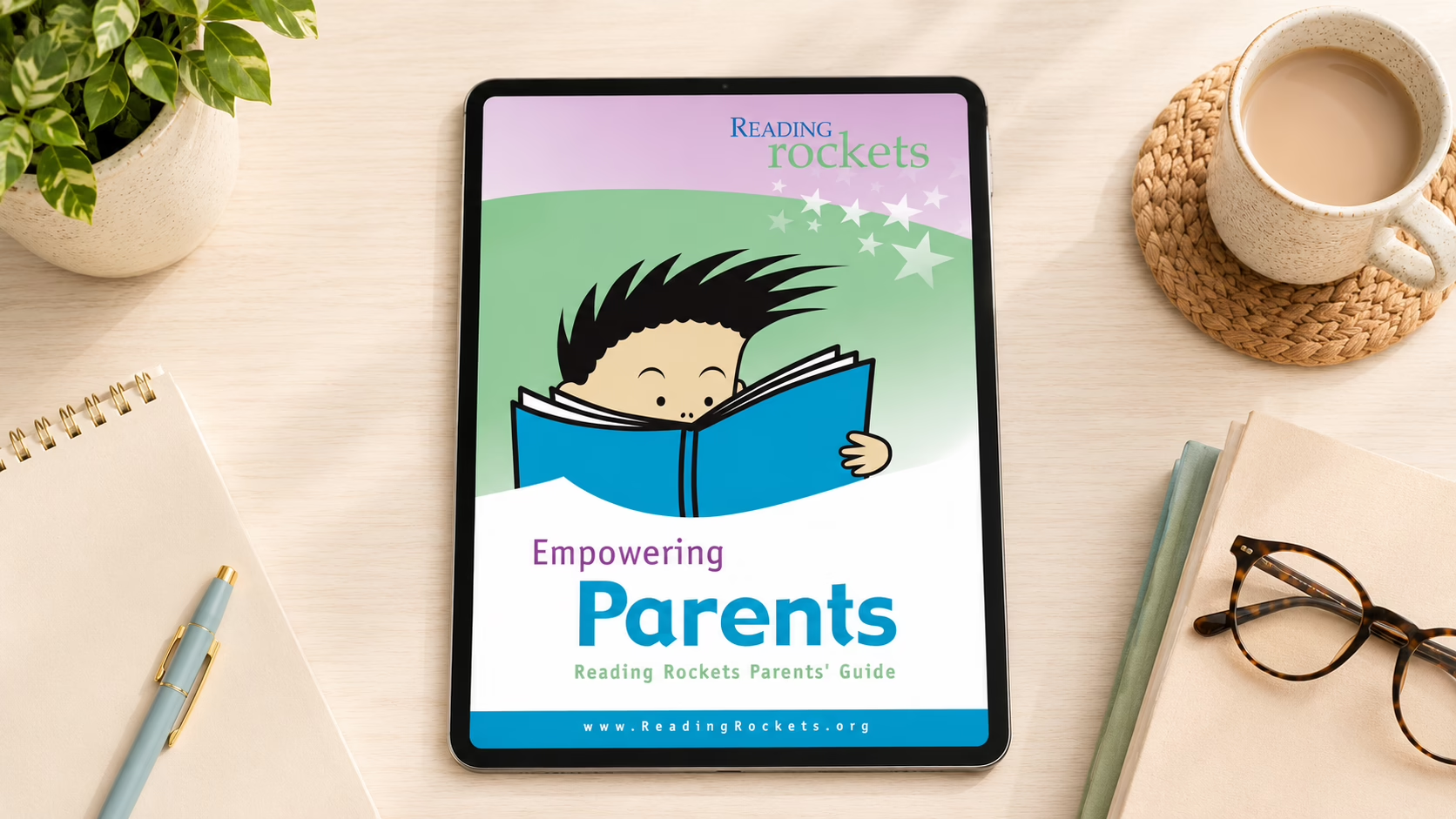
Empowering Parents: Reading Rockets Parents’ Guide

The Meadows Center: Helping Kids Learn at Home

Large Scale Implementation of the Science of Reading: A School Board Member’s Insights
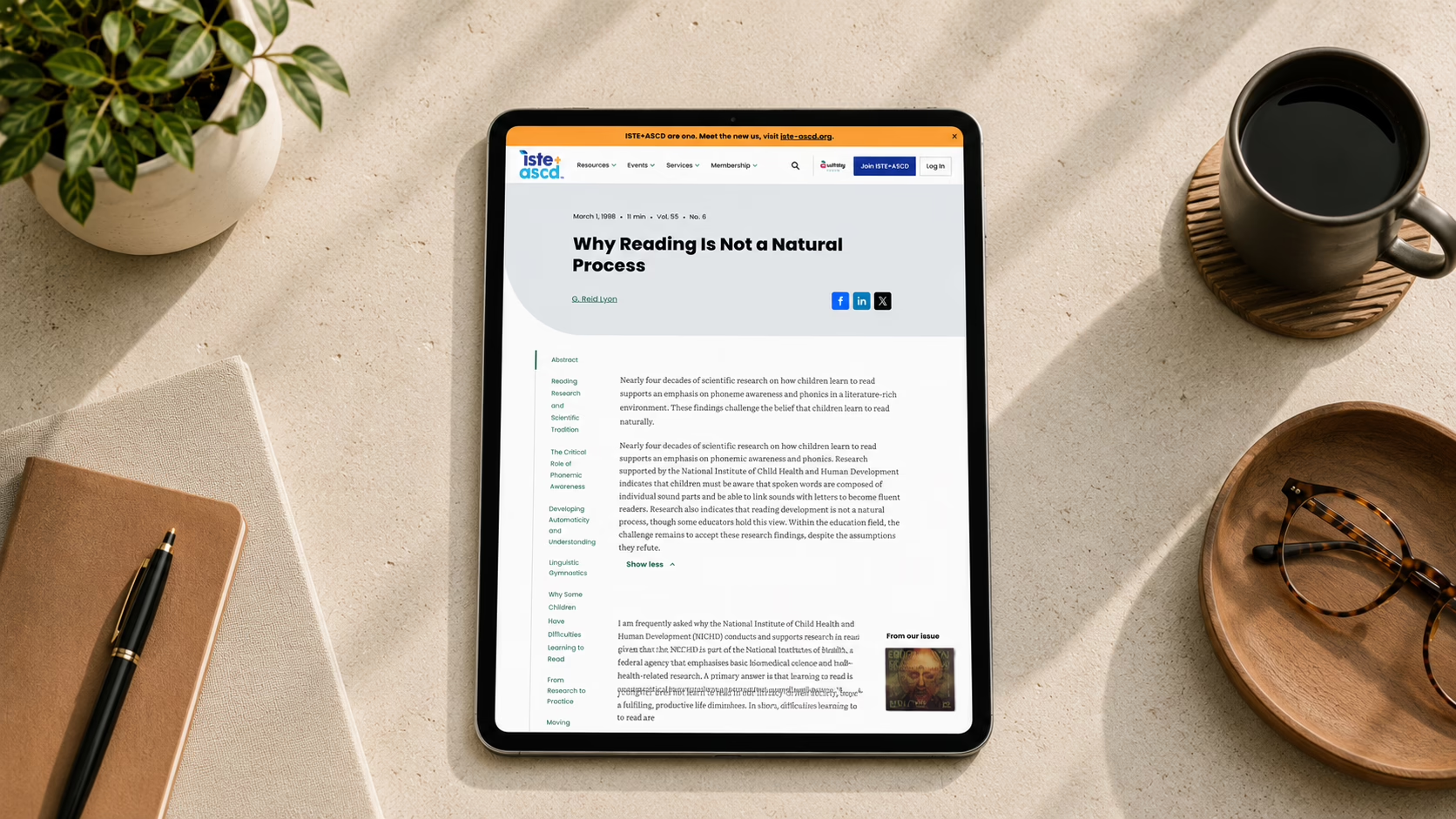
Why Learning to Read is Not a Natural Process
Explore Resources
The Science of Reading, for Parents
A plain-language introduction to how the brain learns to read, with parent-friendly videos, a primer, and ten myths worth unlearning.
Building Language Before School
How talk, read-alouds, and back-and-forth conversation build the language your child needs, plus free book programs and early intervention contacts.
Helping Your Child Sound Out Words
Games and activities that build letter-sound skills, where to find decodable books, and the two common practices to avoid at home.
The Reading League’s Reading Buddies TV Show™
TRL's free early literacy show on YouTube and PBS, where Dott and the Alphabotteers teach phoneme awareness, letters, and vocabulary.
The Reading Ready Caregiver Guide and Activities
A free ten-unit guide from Dr. Katie Pace Miles that walks caregivers through teaching letters, sounds, and spelling patterns at home.
What to Look for in Elementary Reading Instruction
Tools for understanding what's happening in your child's classroom: the CEGs, curriculum reviews, and a dialogue tool for school conversations.
Understanding Reading Assessments
Why universal screening matters, what diagnostic assessments add, and the problem with tests built on leveled readers.
The Trouble With Three-Cueing
How the three-cueing approach teaches children to guess instead of read, and why those habits are hard to undo. Includes Sold a Story.
Dyslexia and Developmental Language Disorder
When to consider testing, signs worth watching, and trusted resources for dyslexia and developmental language disorder, including DABC's roadmap.
Supporting Bilingual Readers
Why your home language is an asset, and where to find guidance on raising bilingual readers, including Colorin Colorado's family hub.
What if My Child Is Not Making Adequate Progress?
Plain-language reading on your rights under IDEA, Child Find, and ESSA when your child isn't progressing in reading. Not legal advice.
Partnering With Pediatricians
Why pediatricians rarely learn how reading is taught, and what to share with yours, including a printable office flyer with five recommendations.
Partnering With Libraries
How families and librarians can build decodable book collections, with examples from libraries doing it and help from Teach My Kid to Read.
Countdown to Kindergarten: A Pre-K Reading Program
A free pre-K program from Smart Kids With Learning Disabilities that builds the language, focus, and readiness skills school asks for.
The National Center on Improving Literacy
Family resources from a federally funded research center, including a literacy skills checklist for caregivers and free technical assistance.
Parents for Reading Justice
A parent-led group that trains families to advocate for evidence-based reading instruction, with podcast episodes from real district campaigns.
More for Families
Eight more reads for families, from a parent guide to early reading skills to the NAACP's push to make literacy a civil rights issue.
No resources match those filters.


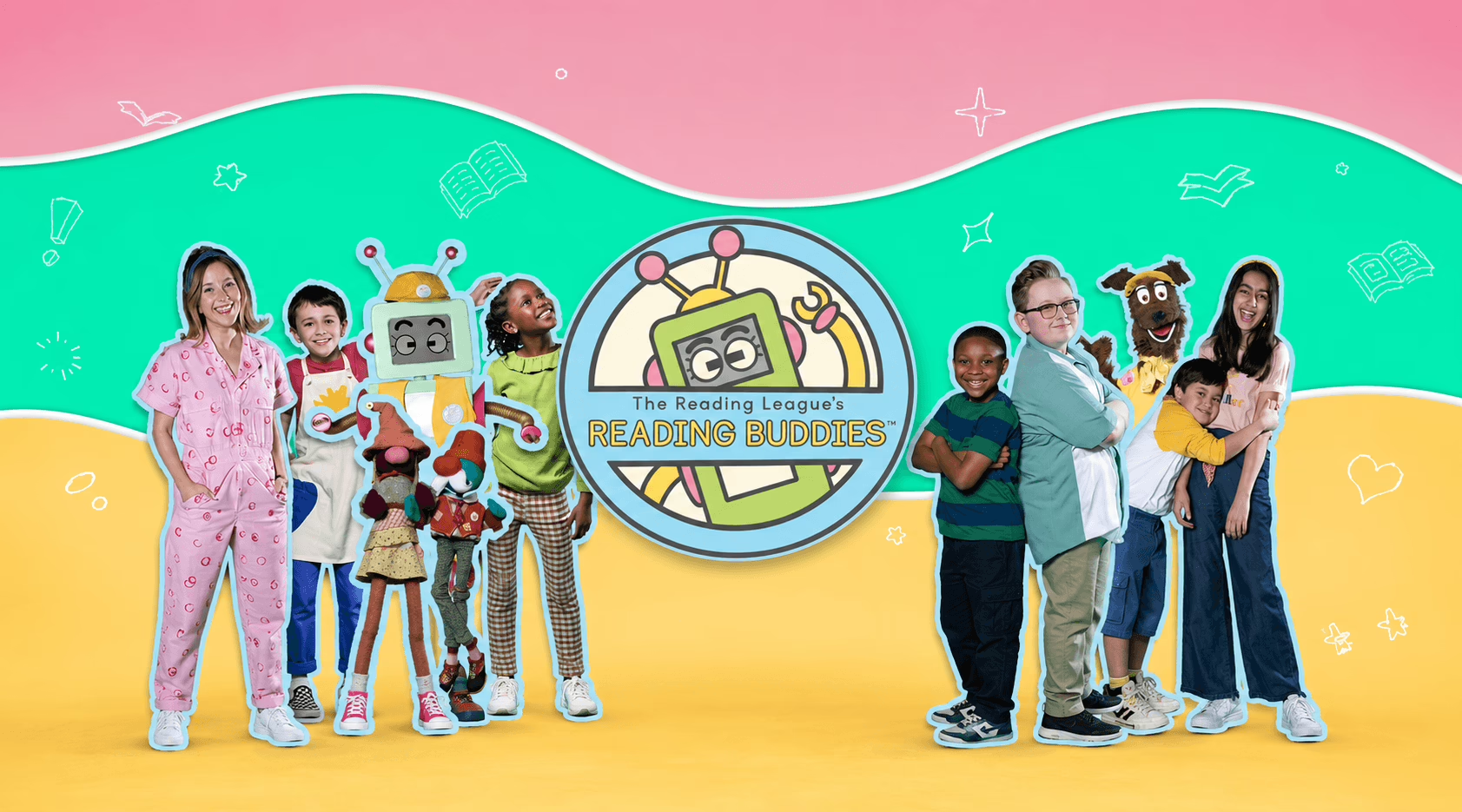
READING BUDDIES™
The Science of Reading
Dear Families and Caregivers
You are your child’s first and most important teacher. Please consider donating to The Reading League if its Compass has helped you support your child’s literacy journey. Your contribution will help us maintain and develop more resources for families like yours. Together, we can ensure every child has evidence-aligned reading instruction that allows them to reach their full potential.